Understanding the Challenges of Sustaining Human Life at the Lunar South Pole
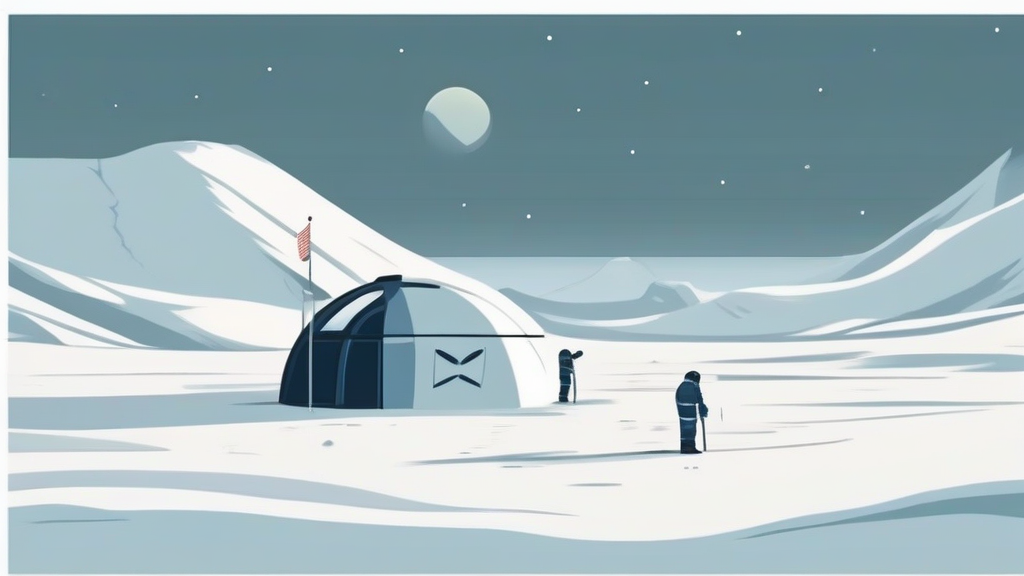
As we gaze toward the heavens, NASA's Moon Mission: The latest space exploration project entering a crucial phase represents our boldest leap yet into the final frontier. We aren't just visiting the Moon anymore; we are planning to stay. The lunar South Pole has become the primary destination for this ambition, primarily because of the potential for life-sustaining resources tucked away in its shadowed craters.
- The lunar South Pole offers access to water ice, which is essential for creating oxygen and rocket fuel.
- Extreme temperature fluctuations and pervasive lunar dust pose significant threats to human health and mechanical equipment.
- Long-term survival requires autonomous infrastructure and radiation shielding, which are still in the early stages of development.
Why the Lunar South Pole is the Strategic Choice
You might wonder why we aren't heading back to the equatorial regions where the Apollo missions landed. The answer lies in the unique topography of the South Pole. It contains regions of permanent shadow, where the sun never hits the crater floors. Scientists believe these "cold traps" harbor significant deposits of water ice.
Water is the gold of space travel. If we can extract it, we can split it into hydrogen and oxygen. This provides breathable air for astronauts and, more importantly, high-performance propellant for missions venturing deeper into the solar system. It turns the Moon into a gas station, drastically reducing the cost and weight of launching supplies from Earth.
Overcoming the Harsh Lunar Environment
Living on the Moon is not like camping in a remote wilderness; it is more like living inside a high-pressure submarine on a hostile alien world. The temperature swings are brutal. When you are in the sun, it’s boiling; in the shade, it’s colder than liquid nitrogen. Our habitats must be built to withstand these thermal cycles without warping or failing.
Then there is the lunar regolith, or moon dust. This isn't like the dust you find on your bookshelf. It is jagged, electrostatically charged, and incredibly abrasive. It clings to everything, infiltrating seals and potentially destroying mechanical joints. Protecting our gear from this pervasive grit is a massive engineering hurdle that we are still working to solve.
Infrastructure and Power Requirements for NASA's Moon Mission: The Latest Space Exploration Project Entering a Crucial Phase
To sustain human life, we need constant, reliable energy. Solar power is viable at the South Pole because of the "peaks of eternal light"—high points that receive near-constant sunlight. However, we cannot rely on a single source. We need a grid that can handle the demands of life support, communications, and resource extraction.
Business owners and engineers are currently looking at modular power systems. If one unit fails, the base shouldn't go dark. This decentralized approach is key to safety. We are essentially building a power grid from scratch in an environment where maintenance crews cannot just walk down the street to fix a broken transformer.
The Human Element: Psychological and Biological Survival
Beyond the nuts and bolts, we have to consider the people. Humans were not evolved to live in low gravity. Prolonged exposure to microgravity or even the one-sixth gravity of the Moon causes bone density loss and muscle atrophy. We need rigorous exercise protocols and potentially artificial gravity solutions to keep our crews healthy for months at a time.
Psychologically, the isolation is profound. Looking back at Earth as a tiny blue marble can be both inspiring and terrifying. Providing astronauts with high-bandwidth communication and virtual environments to maintain a link to their home planet will be a massive factor in mission success.
The transition from short-term scientific sorties to permanent lunar habitation requires a shift in how we view risk. We are moving from a mindset of "exploration at all costs" to "sustainable, repeatable logistics."
Logistics and the Future of Lunar Commerce
Is this just a government project? Hardly. Private industry is playing a massive role. The demand for reliable, reusable landing craft is pushing the boundaries of what aerospace companies can achieve. If we can master the logistics of moving cargo to the South Pole, we open up a new sector of the space economy.
Think about the potential for lunar mining or even the construction of massive telescopes on the far side of the Moon. These aren't just science fiction tropes; they are becoming part of the long-term business case for lunar presence. The companies that solve the problems of the South Pole today will be the infrastructure giants of tomorrow.
Frequently Asked Questions (FAQ)
Why is the lunar South Pole better than other locations?
The South Pole is home to permanently shadowed regions containing water ice, which is critical for creating oxygen, drinking water, and rocket fuel for future missions.
How does lunar dust affect equipment?
Lunar dust is sharp, abrasive, and electrostatically charged. It can damage seals, clog machinery, and degrade solar panels, making it one of the most difficult environmental hazards to mitigate.
Can humans truly live on the Moon long-term?
While technically possible, long-term habitation requires advanced radiation shielding, reliable power grids, and rigorous medical protocols to counteract the negative health effects of low gravity.
We stand at the precipice of a new era. The challenges are immense, but the ingenuity driving these missions is unparalleled. Whether you are an enthusiast, an investor, or simply curious, keep watching the skies—the next chapter of human history is being written in the craters of the Moon.
Post a Comment for "Understanding the Challenges of Sustaining Human Life at the Lunar South Pole"