Create Professional Social Media Calendars in Canva Using AI Content Templates
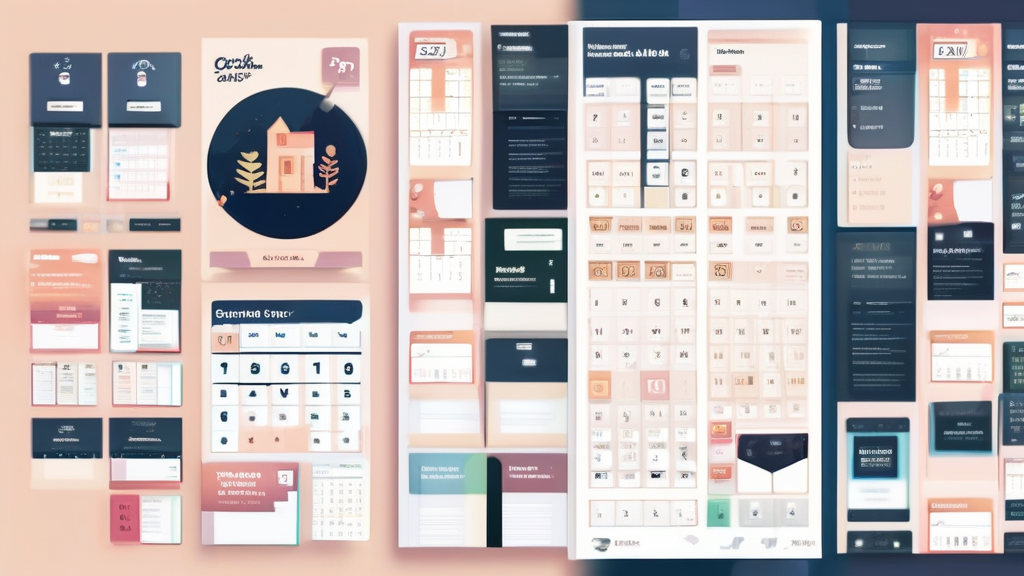
Managing your online presence requires serious productivity tools: Google Translate, Canva, ChatGPT/AI tools to stay ahead of the curve. If you have ever felt overwhelmed by the sheer volume of posts needed to keep your audience engaged, you are certainly not alone. I have spent years refining my own content workflow, and I have found that combining visual design with automated text generation is the secret to reclaiming your time.
- Leverage ChatGPT to generate bulk content ideas, saving hours of brainstorming time each week.
- Use Canva’s bulk create feature to transform your AI-generated text into polished, professional social media graphics instantly.
- Integrate Google Translate to reach international markets effortlessly, ensuring your brand message resonates globally.
Why You Need a Unified Content Workflow
Most creators waste time jumping between browser tabs, trying to copy-paste text from a document into a design program. This fragmented process is a massive drain on your mental energy. By centralizing your operations within a structured ecosystem, you create a repeatable system that scales with your business.
Think of your social media presence as a digital storefront. If the shelves are messy or empty, customers lose interest. A well-organized calendar acts as your inventory management system, ensuring you always have something valuable to show your followers without the last-minute scramble.
The Role of AI in Modern Marketing
We live in an era where artificial intelligence handles the heavy lifting of drafting captions, hashtags, and post themes. When you use ChatGPT to outline a month of content, you aren't just saving time; you are maintaining a consistent voice across your platforms. The key is to provide specific prompts so the output feels human and authentic rather than robotic.
Step 1: Generating Your Content with AI
Start your process by opening ChatGPT and defining your brand persona. Instead of asking for "ten posts about business," try something more specific like, "Write ten Instagram captions for a small boutique coffee shop that focus on the morning routine, keeping the tone light, professional, and inviting."
Once you receive the output, review it for tone. If you are targeting a multilingual audience, this is where you pull in additional resources. Using Google Translate for localized nuances can be helpful, but always ensure a native speaker or a trusted tool verifies the context to avoid awkward phrasing.
Structuring Your Data for Canva
Canva loves data in a specific format: CSV or Google Sheets. Take your AI-generated captions and paste them into a spreadsheet. Create two columns: one for the "Visual Element" (the headline or quote) and one for the "Caption." This simple organization is the bridge between your text and your final design.
Step 2: Designing Your Calendar in Canva
Now that your text is ready, open Canva and select a social media calendar template. You don't need to be a graphic designer to make this look good. Browse the template library for layouts that match your brand aesthetic, then clear out the placeholder text.
The magic happens when you use the "Bulk Create" app within Canva. You simply upload your CSV file, map the text fields to your design elements, and hit generate. In less than a minute, Canva will produce thirty distinct graphics based on the data you provided. It is honestly one of the most satisfying moments in the content creation process.
Step 3: Refining and Scheduling
Even with AI, you are the final filter. Spend a few minutes adjusting the font sizes, checking color contrast, and ensuring the images align with the specific post content. If a design feels a bit off, tweak it manually—the goal is efficiency, not cutting corners on quality.
After your designs are ready, export them and load them into your preferred scheduling tool. Having everything done at once allows you to step away from the screen for weeks at a time, knowing your brand is active and engaging while you focus on high-level growth tasks.
Common Pitfalls to Avoid
Don't fall into the trap of letting AI do 100% of the work without oversight. If you don't inject your own personality into the captions, your audience will eventually stop engaging. Use the technology to handle the structure, but provide the soul.
Also, keep an eye on your character counts. Different platforms have different limits, and a long-form caption meant for LinkedIn might look clunky on a Twitter feed. Tailor your AI prompts to the specific platform requirements before you start the bulk creation process in Canva.
Frequently Asked Questions (FAQ)
Can I use free versions of these tools for this workflow?
Yes, absolutely. The free tiers of Canva and ChatGPT are more than sufficient to build a professional-grade social media calendar. You only need the paid versions if you require advanced brand kits or faster processing speeds.
How do I ensure the AI tone matches my brand voice?
The secret is in the "System Prompt." Tell the AI exactly who your target audience is, what your brand values are, and what words or phrases you prefer to avoid. The more context you provide initially, the less editing you will need to do later.
Does Google Translate work well for professional content?
It is excellent for getting the gist of a conversation or translating simple phrases, but for professional marketing copy, always use it as a starting point. If you are targeting a specific region, have a human verify the cultural context of the translated text.
You now have the framework to stop wasting hours on manual content creation. By combining the organizational power of spreadsheets, the creative speed of Canva, and the linguistic versatility of AI, you are ready to dominate your social media schedule. Start small with one week of content, refine your process, and watch your engagement grow as you become more consistent.
Post a Comment for "Create Professional Social Media Calendars in Canva Using AI Content Templates"